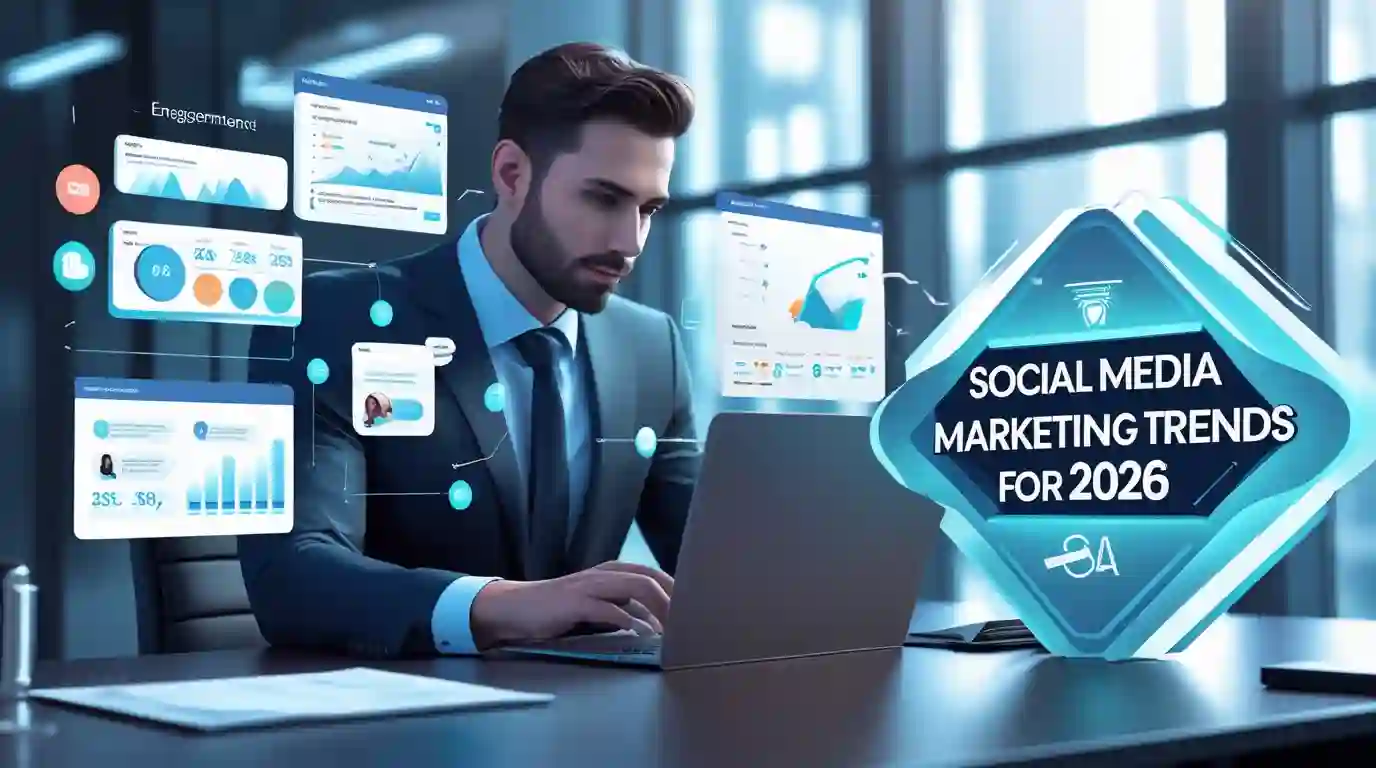
The digital marketing landscape is shifting faster than ever before. As we step into 2026, social media marketing trends are being reshaped by artificial intelligence, changing consumer behaviors, and emerging platforms that are redefining how brands connect with audiences. Whether you're a small business owner in Karachi, a marketing professional in Lahore, or someone looking to learn social media marketing through a certification course, understanding these trends isn't optional anymore—it's essential for survival in the competitive digital space.
This comprehensive guide explores the biggest social media marketing trends for 2026, practical strategies you can implement today, and how professionals in Pakistan can stay ahead of the curve through proper training and skill development.
What is Social Media Marketing in 2026?
Social media marketing has evolved far beyond posting updates and hoping for engagement. Today, it's a sophisticated blend of data analytics, creative storytelling, and strategic audience targeting across multiple platforms. The future of social media marketing centers on creating authentic, personalized experiences that resonate with specific audience segments while leveraging automation tools and AI-powered insights.
At its core, social media marketing in 2026 involves building genuine community connections, driving measurable business outcomes, and adapting quickly to platform updates and algorithm changes. The brands winning in this space aren't just selling products—they're creating movements, fostering conversations, and providing real value to their followers.
Why Social Media Marketing Matters More Than Ever
The importance of social media marketing has reached unprecedented levels. With over 5 billion active social media users globally and Pakistan's social media user base crossing 70 million, the opportunity for brand awareness and customer engagement has never been greater.
For businesses in Islamabad, Karachi, and Lahore, social media platforms have become the primary channel for reaching both local and international audiences. Small businesses can now compete with larger companies through strategic content marketing and targeted advertising, while B2B companies are discovering that LinkedIn and X (formerly Twitter) offer powerful lead generation opportunities.
The ROI measurement for social media campaigns has also become more sophisticated. Brands can now track every interaction, from initial awareness through to final conversion, making it easier to justify marketing budgets and optimize strategies for better performance.
The Biggest Social Media Marketing Trends for 2026
AI-Generated Content and Automation Tools
Artificial intelligence is revolutionizing content creation and distribution. AI in social media marketing now extends beyond simple scheduling to include content ideation, copywriting, image generation, and even video production. Tools like ChatGPT, Midjourney, and specialized social media management platforms are helping marketers create more content in less time.
However, the winning strategy isn't replacing human creativity with AI—it's augmenting it. Successful brands use AI content creation tools to handle routine tasks while their teams focus on strategy, authentic storytelling, and community building. The key is maintaining brand voice and ensuring AI-generated content aligns with your audience's expectations.
Marketing automation tools have become indispensable for managing cross-platform marketing campaigns. From automated responses to sophisticated chatbot integration, these technologies allow businesses to maintain 24/7 engagement without burning out their teams.
Short-Form Video Dominance
Video marketing trends in 2026 are heavily weighted toward short-form content. Platforms like TikTok, Instagram Reels, and YouTube Shorts continue to dominate engagement metrics, with the average user spending over 90 minutes daily watching short videos.
The algorithm changes across these platforms now favor authentic, raw content over highly polished production. This shift has leveled the playing field for small businesses and solo entrepreneurs who can create compelling stories without expensive equipment. Behind-the-scenes content, quick tutorials, and user testimonials perform exceptionally well.
Live streaming remains powerful for real-time customer engagement and building trust. Brands hosting live Q&A sessions, product launches, or educational webinars see higher conversion rates and stronger community bonds.
Social Commerce Integration
Social commerce trends are transforming how consumers shop online. The integration of shopping features directly into social platforms means users can discover, research, and purchase products without ever leaving the app. Instagram Shopping, Facebook Marketplace, and TikTok Shop are blurring the lines between social networking and e-commerce.
For businesses in Pakistan, this trend opens new revenue channels. Local brands can now reach customers across multiple cities without needing physical storefronts or complex e-commerce websites. The focus is on creating shoppable content that seamlessly integrates product promotion with entertaining or educational value.
Micro-Influencer Partnerships
Influencer marketing trends are shifting from celebrity endorsements to authentic micro-influencer partnerships. These creators typically have 10,000 to 100,000 followers but boast higher engagement rates and more targeted audiences than mega-influencers.
Brands working with micro-influencers benefit from genuine recommendations, lower costs, and better alignment with niche markets. In cities like Lahore and Karachi, local influencers have built highly engaged communities that trust their recommendations, making them valuable partners for regional marketing campaigns.
Privacy-First Marketing Strategies
With increasing data privacy regulations and growing consumer awareness, privacy-focused social media marketing has become non-negotiable. Brands must be transparent about data collection, offer clear opt-in choices, and demonstrate how they protect customer information.
This shift has made first-party data more valuable than ever. Building email lists, creating membership programs, and encouraging direct website visits allow businesses to maintain customer relationships even as tracking capabilities diminish across social platforms.
Personalization at Scale
Modern consumers expect personalized experiences, and emerging social media platforms now offer sophisticated audience targeting capabilities. However, personalization in 2026 goes beyond basic demographics—it's about understanding customer behavior, preferences, and purchase history to deliver relevant content at the right moment.
Social listening tools help brands monitor conversations, track sentiment, and identify emerging trends within their target markets. This intelligence informs everything from content strategy to product development, ensuring brands remain relevant and responsive.
Community-Driven Content and User-Generated Material
Building authentic communities has become central to social media strategy in 2026. Rather than broadcasting messages, successful brands facilitate conversations, celebrate customer stories, and co-create content with their audiences.
User-generated content serves multiple purposes—it provides authentic social proof, reduces content creation burden, and strengthens customer loyalty. Brands encouraging customers to share experiences, reviews, and creative interpretations of their products see higher engagement and better conversion rates.
Sustainability and Purpose-Driven Messaging
Gen Z and millennial audiences increasingly support brands aligned with their values. Sustainability messaging, social responsibility, and authentic purpose-driven content resonate powerfully, particularly when backed by genuine actions rather than empty promises.
Brands successfully communicating their environmental commitments, ethical practices, and community support initiatives build deeper emotional connections with customers. This authenticity translates to customer retention and advocacy that traditional marketing can't match.
Platform-Specific Strategies for 2026
Instagram Marketing Trends
Instagram remains dominant for visual storytelling and lifestyle brands. The platform's focus on Reels and Stories means businesses must prioritize short-form video content while maintaining a cohesive aesthetic in their main feed. Instagram's shopping features make it particularly valuable for fashion, beauty, and lifestyle products.
TikTok Marketing Strategies
TikTok's algorithm gives even new accounts viral potential, making it invaluable for brand awareness. Success on TikTok requires understanding trending sounds, participating in challenges, and creating authentic content that entertains first and sells second. The platform's diverse demographics now include older audiences, expanding its B2B marketing potential.
LinkedIn for B2B Marketing
LinkedIn has solidified its position as the premier platform for B2B social media strategies and thought leadership. Company pages, personal executive brands, and strategic content sharing drive lead generation for professional services, SaaS companies, and enterprise solutions. LinkedIn's targeting capabilities make it excellent for reaching specific job titles and industries.
Facebook Advertising Evolution
While organic reach has declined, Facebook advertising remains powerful due to sophisticated targeting and retargeting capabilities. Facebook Groups continue to foster engaged communities around shared interests, providing brands opportunities for meaningful interaction beyond traditional page posts.
X (Twitter) for Real-Time Engagement
X serves as the go-to platform for breaking news, customer service, and real-time conversations. Brands using X effectively provide prompt responses, share timely insights, and participate in trending discussions relevant to their industry.
Essential Skills for Social Media Marketing in 2026
Success in digital marketing requires a diverse skill set combining creativity, analytics, and technical knowledge. Key competencies include:
Content Creation and Copywriting: Crafting compelling messages that resonate across different platforms and formats. Understanding platform-specific best practices for Reels, Stories, and standard posts.
Data Analytics and Performance Tracking: Interpreting metrics beyond vanity numbers to understand what drives real business results. Tracking engagement rate, conversion rate, and return on ad spend to optimize campaigns.
Visual Design and Video Editing: Creating eye-catching graphics and videos using tools like Canva, Adobe Creative Suite, or AI-powered design platforms. Basic video editing skills are now essential rather than optional.
Community Management: Building and nurturing online communities through authentic engagement, prompt responses, and conflict resolution. Understanding how to turn followers into brand advocates.
Paid Advertising Expertise: Mastering Facebook Ads Manager, TikTok Ads, LinkedIn Campaign Manager, and other advertising platforms. Understanding audience targeting, budget allocation, and campaign optimization.
SEO and Social SEO: Optimizing content for discoverability both within social platforms and via search engines. Understanding hashtag research, keyword optimization, and voice search considerations.
Career Opportunities in Social Media Marketing
The demand for skilled social media marketers continues to grow across Pakistan and internationally. Career paths include:
Social Media Manager: Overseeing entire social media strategies, managing teams, and ensuring consistent brand presence across platforms. Average salary in Pakistan ranges from PKR 50,000 to 150,000 monthly, depending on experience and company size.
Content Strategist: Planning content calendars, identifying audience needs, and ensuring all content aligns with business objectives and brand voice.
Paid Social Specialist: Managing advertising budgets and campaigns across platforms, optimizing for performance, and maximizing ROI.
Community Manager: Engaging directly with audiences, responding to comments and messages, and fostering positive brand relationships.
Analytics Manager: Tracking performance metrics, creating reports, and providing data-driven recommendations for strategy improvements.
Remote opportunities in social media marketing have expanded significantly, allowing professionals in Islamabad, Karachi, and Lahore to work with international clients and agencies from anywhere.
Learning Social Media Marketing: Your Path Forward
For those looking to enter this dynamic field, several pathways exist:
Formal Education and Certification Programs: Enrolling in a comprehensive social media marketing course provides structured learning, industry-recognized certification, and practical experience. Institutions across Pakistan now offer specialized digital marketing training that covers platform strategies, analytics, and campaign management.
Programs like those at the Institute of Digital Trainings provide hands-on training that prepares students for real-world challenges. These courses typically cover content creation, advertising platforms, analytics tools, and strategic planning.
Online Learning Platforms: Platforms like HubSpot Academy, Google Digital Garage, and Coursera offer free and paid resources covering everything from basic concepts to advanced tactics. These complement formal education and allow continuous skill development.
Practical Experience: Nothing replaces hands-on practice. Starting a personal blog, managing social accounts for local businesses, or creating content in your niche builds portfolio pieces that demonstrate your capabilities to potential employers or clients.
Staying Current: Following industry blogs, subscribing to marketing newsletters, and participating in online communities keeps you informed about platform updates, emerging trends, and new tools.
Why Choose IDT for Your Social Media Marketing Education
The Institute of Digital Trainings stands out for its comprehensive approach to digital marketing education. With courses designed specifically for Pakistani students and professionals, IDT addresses local market needs while maintaining international standards.
The curriculum combines theoretical knowledge with practical application, ensuring graduates can immediately contribute to real-world campaigns. Experienced instructors with industry backgrounds provide insights beyond textbook learning, sharing what actually works in today's competitive landscape.
ICT's focus on hands-on projects means students build portfolios during their studies, showcasing their abilities to potential employers. The institute's connections with leading companies in Islamabad and across Pakistan facilitate job placement and internship opportunities.
Whether you're starting from scratch or looking to advance your existing marketing career, IDT offers flexible learning options including in-person classes and online modules that fit busy schedules.
Tools Every Social Media Marketer Needs
Success requires the right technology stack:
Content Creation: Canva for graphics, CapCut or Adobe Premiere for video editing, AI writing assistants for copy generation.
Scheduling and Management: Hootsuite alternatives like Buffer, Later, or Sprout Social for managing multiple accounts and scheduling posts in advance.
Analytics Platforms: Native platform insights combined with Google Analytics, comprehensive dashboards that track performance across channels.
Listening and Monitoring: Social listening software that tracks brand mentions, competitor activity, and industry conversations.
Collaboration Tools: Project management platforms for coordinating with team members, clients, and stakeholders.
Measuring Success: Key Metrics That Matter
Understanding which metrics actually impact your business separates effective marketers from those just posting content:
Engagement Rate: Measures how actively your audience interacts with content. Higher engagement typically correlates with stronger brand affinity and better algorithm performance.
Reach and Impressions: While often considered vanity metrics, these numbers help assess brand awareness growth and content distribution effectiveness.
Click-Through Rate: Indicates how compelling your calls-to-action are and whether your content motivates desired behaviors.
Conversion Rate: The ultimate measure of campaign success—how many social interactions result in desired outcomes like purchases, sign-ups, or inquiries.
Cost Per Acquisition: Essential for paid campaigns, showing how efficiently your advertising budget converts prospects into customers.
Customer Lifetime Value: Understanding the long-term value of customers acquired through social channels justifies continued investment and optimization.
Common Challenges and How to Overcome Them
Every marketer faces obstacles. Here's how to navigate common issues:
Algorithm Changes: Platforms constantly update their algorithms, sometimes drastically affecting reach. The solution is diversification—don't rely on a single platform—and focusing on community building that survives algorithm shifts.
Content Burnout: Creating fresh content consistently exhausts even experienced teams. User-generated content, content repurposing, and strategic planning help maintain quality without overwhelming your resources.
Budget Limitations: Small businesses often lack large marketing budgets. Focus on organic growth through valuable content, leverage micro-influencer partnerships, and test small paid campaigns before scaling.
Measuring ROI: Connecting social efforts to business outcomes can be complex. Implement proper tracking, use UTM parameters, and maintain clear attribution models that show the customer journey.
Keeping Up with Trends: The pace of change in digital marketing feels overwhelming. Dedicate time weekly to learning, follow key industry voices, and don't try to adopt every trend—focus on what serves your specific audience.
The Future: What's Coming After 2026
While we focus on 2026 trends, smart marketers prepare for what's next. Emerging technologies like augmented reality filters, virtual reality experiences, and deeper AI integration will continue reshaping the landscape. Voice search optimization and audio content (podcasts, social audio rooms) are gaining traction.
The metaverse, despite current skepticism, will likely create new marketing opportunities as technology improves and adoption increases. Brands experimenting now will have advantages as these spaces mature.
Blockchain technology and NFTs may create novel ways for brands to reward community members and prove authenticity, though mainstream adoption remains uncertain.
Frequently Asked Questions
What is social media marketing in 2026?
Social media marketing in 2026 is a strategic approach to building brand presence, engaging audiences, and driving business results through various social platforms. It combines content creation, community management, paid advertising, and data analytics to achieve specific marketing objectives like brand awareness, lead generation, and sales conversion.
How has social media marketing changed in 2026?
The field has evolved to prioritize AI-assisted content creation, short-form video content, authentic community building, and privacy-conscious marketing strategies. Platform algorithms now favor genuine engagement over follower counts, and social commerce has integrated shopping experiences directly into social apps.
What are the top social media platforms for marketing in 2026?
The dominant platforms include Instagram for visual content and lifestyle brands, TikTok for viral reach and younger demographics, LinkedIn for B2B marketing and professional networking, Facebook for diverse audiences and robust advertising, YouTube for long-form video content, and X (Twitter) for real-time conversations and customer service.
How much does social media marketing cost in 2026?
Costs vary widely based on approach. Organic social media marketing requires time investment but minimal financial outlay. Paid advertising budgets can start as low as PKR 5,000-10,000 monthly for small businesses and scale to hundreds of thousands for larger campaigns. Hiring a social media marketing agency in Pakistan typically costs PKR 30,000-200,000 monthly depending on services included.
What skills are needed for social media marketing in 2026?
Essential skills include content creation and copywriting, graphic design and video editing, data analytics and performance tracking, platform-specific expertise, community management, paid advertising proficiency, and strategic thinking. Soft skills like creativity, adaptability, and communication are equally important.
How long does it take to learn social media marketing?
Basic competency can be achieved in 2-3 months through dedicated study and practice. However, mastering advanced strategies, platform-specific advertising, and strategic planning typically requires 6-12 months of combined learning and practical experience. Continuous learning is essential as platforms and best practices evolve constantly.
Conclusion: Your Next Step in Social Media Marketing
Social media marketing trends for 2026 reveal an industry that rewards authenticity, creativity, and strategic thinking. Whether you're a business owner looking to expand your digital presence or someone considering a career in this dynamic field, the opportunities have never been more accessible.
The brands succeeding in this space aren't necessarily those with the biggest budgets—they're the ones that understand their audiences, create genuine value, and adapt quickly to changing landscapes. By focusing on community building, leveraging appropriate tools, and continuously learning, you can achieve remarkable results regardless of your starting point.
For aspiring professionals in Pakistan, proper training provides the foundation for a rewarding career. The digital marketing industry offers competitive salaries, remote work opportunities, and the satisfaction of measurable impact on business success.
Ready to master social media marketing and transform your career prospects? Explore advanced digital marketing courses at the Institute of Digital Trainings With comprehensive curriculum, hands-on training, and industry-recognized certification, IDT prepares you for real-world success in this exciting field. Don't just watch social media trends unfold—learn to shape them. Book your seat today and take the first step toward becoming a skilled social media marketing professional.