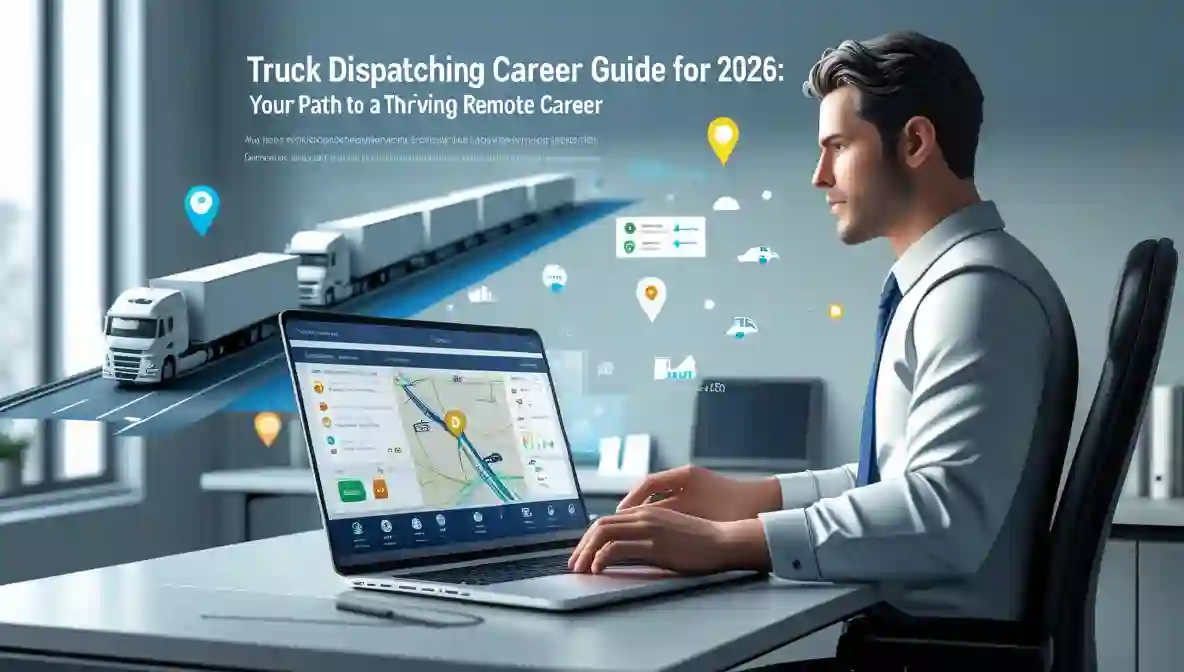
The trucking industry moves America's economy, but behind every successful delivery is a skilled professional you might not see—the truck dispatcher. If you're searching for a stable, well-paying career that offers work-from-home flexibility, truck dispatching might be your perfect match. This comprehensive guide explores everything you need to know about becoming a truck dispatcher in 2026, including training options, salary expectations, and how you can start this career from anywhere in the world, including Pakistan.
What Is Truck Dispatching?
A truck dispatcher serves as the crucial link between freight brokers, shippers, and truck drivers. Think of them as air traffic controllers for the highway—they coordinate loads, optimize routes, manage schedules, and ensure that cargo reaches its destination on time and safely.
The role involves using load boards like DAT and TruckStop to find profitable freight, negotiating rates with brokers, tracking shipments in real-time, and maintaining constant communication with drivers. Unlike traditional office jobs, truck dispatching offers remarkable flexibility since most tasks can be completed remotely with just a computer and reliable internet connection.
In 2026, the demand for freight dispatchers continues to grow as the logistics industry expands. With e-commerce booming and supply chain management becoming more complex, skilled dispatchers who understand carrier management, route optimization, and DOT regulations are invaluable assets to trucking companies and independent owner-operators alike.
Why Truck Dispatching Is a Smart Career Choice in 2026
The truck dispatcher career path offers several compelling advantages that make it particularly attractive in today's job market.
High Earning Potential Without a Degree
Unlike many careers requiring expensive four-year degrees, you can become a truck dispatcher through short-term training programs. Entry-level dispatcher jobs typically start at $35,000 to $45,000 annually, while experienced dispatchers easily earn $50,000 to $75,000 per year. Independent truck dispatchers who work as freelancers or run their own truck dispatching business often exceed $100,000 annually by managing multiple clients.
Work From Anywhere
Remote truck dispatcher jobs have exploded in popularity. Whether you're in California, Texas, or even Islamabad, Pakistan, you can dispatch for American trucking companies. This global opportunity makes truck dispatching particularly appealing for international professionals seeking access to the US job market without immigration requirements.
Low Barrier to Entry
Most positions don't require a truck dispatcher license or formal certification. While dispatcher certification programs add credibility, many successful dispatchers learn through online courses, mentorship, or on-the-job training. You don't need experience in trucking—just strong organizational skills, communication abilities, and willingness to learn.
Industry Stability
The freight industry isn't disappearing anytime soon. Despite automation trends, human dispatchers remain essential for problem-solving, negotiation, and relationship management. According to the Bureau of Labor Statistics, logistics jobs are projected to grow steadily through 2030, making this a recession-resistant career choice.
Essential Skills Every Truck Dispatcher Needs
Success in truck dispatching requires a specific skill set that combines technical knowledge with interpersonal abilities.
Communication Mastery
You'll spend most of your day communicating with drivers, brokers, shippers, and receivers. Clear, professional communication prevents misunderstandings that could cost thousands in detention charges or layover fees. Learning industry terminology helps you speak confidently about reefer freight, flatbed dispatching, dry van loads, and other freight types.
Organizational Excellence
Managing multiple trucks simultaneously means juggling countless details. You'll track HOS regulations (hours of service) to ensure drivers stay compliant, monitor deadhead miles to maximize profitability, and coordinate backhaul loads to keep trucks moving. Strong organizational skills separate average dispatchers from exceptional ones.
Problem-Solving Under Pressure
Handling freight delays, managing driver complaints, and dealing with difficult drivers requires patience and quick thinking. When a driver breaks down in Nebraska or a shipper isn't ready for pickup, you need creative solutions that minimize financial impact.
Technical Proficiency
Modern dispatching relies heavily on dispatch software, transportation management systems (TMS), electronic logging devices (ELD), and GPS tracking systems. Familiarity with load optimization tools, route planning software, and dispatch automation platforms makes you more efficient and valuable.
Negotiation Skills
Knowing how to negotiate freight rates separates profitable operations from struggling ones. Understanding detention charges, accessorial charges, freight factoring, and rate negotiation tactics directly impacts your client's bottom line—and your commission.
Understanding Truck Dispatcher Responsibilities
The truck dispatcher job description encompasses diverse daily tasks that keep freight moving efficiently.
Your morning typically starts by checking load boards to find available freight that matches your drivers' locations and equipment types. Whether you're searching for hot shot dispatching opportunities or standard FTL shipping (full truckload), you'll analyze freight rates to ensure profitability.
Once you secure loads, you handle all documentation including the bill of lading, carrier contracts, and shipper relations paperwork. You'll coordinate pickup and delivery appointments, ensuring drivers have clear instructions and necessary information.
Throughout the day, you monitor driver progress using fleet tracking software, adjusting routes as needed for traffic, weather, or other obstacles. You manage carrier authority documentation, maintain FMCSA compliance records, and handle any issues that arise.
For independent truck dispatchers working with owner-operators, you'll also manage relationships with freight brokers, process payments through freight factoring companies if needed, and handle MC number and DOT number verification for new carrier partnerships.
Truck Dispatcher Salary: What Can You Really Earn?
The truck dispatcher salary in 2026 varies significantly based on experience, location, and employment type.
Employee Dispatchers
Working for an established trucking company or logistics firm, expect these ranges:
Independent Contractor Rates
Freelance truck dispatchers typically charge 5-10% commission per load, or flat monthly fees of $150-$400 per truck. An independent dispatcher handling 5-10 trucks can generate $60,000 - $150,000 annually. Those who scale their truck dispatching business to 20+ trucks often exceed $200,000 in revenue.
Location Impact
Truck dispatcher jobs in Texas, California, Illinois, and other major freight hubs tend to pay more due to higher load volumes. However, remote truck dispatcher jobs USA-based often pay the same regardless of your physical location, making this career particularly lucrative for international workers.
According to industry surveys, the average truck dispatcher monthly salary ranges from $3,500 to $6,500, with top performers earning significantly more through bonuses and commissions.
How to Become a Truck Dispatcher: Your Step-by-Step Guide
Starting your truck dispatching career doesn't require years of preparation. Here's the practical roadmap:
Step 1: Get Proper Training
While some learn on the job, taking a structured truck dispatcher training course accelerates your success. Look for programs covering load boards, freight broker relationships, dispatch software, DOT regulations, and real-world scenarios.
Quality training options include:
In Pakistan, several institutions now offer truck dispatching courses specifically designed for the US market. The truck dispatching course in Islamabad and truck dispatching course in Karachi taught at institutes like IDT prepare students for remote work with American companies.
Step 2: Learn the Technology
Familiarize yourself with essential platforms:
Most tools offer free trials, allowing you to practice before landing your first client.
Step 3: Understand Industry Basics
Study freight terminology including LTL shipping (less than truckload), power only loads, IFTA reporting, and cargo insurance requirements. Understanding the difference between a truck dispatcher vs freight broker prevents confusion and helps you position your services correctly.
Step 4: Get Practical Experience
Consider starting as a dispatcher apprenticeship, virtual assistant to an established dispatcher, or taking entry-level dispatcher jobs to build experience. Even handling 1-2 trucks initially teaches valuable lessons.
Step 5: Build Your Client Base
For those starting an independent dispatch service, focus on owner-operators who need dedicated support. Use LinkedIn, trucking forums, and Facebook groups to network. Learning how to get clients as a truck dispatcher takes time, but providing excellent service leads to referrals.
Best Training Options: From Free to Premium
The truck dispatcher training cost varies dramatically based on your chosen path.
Free Resources
YouTube channels like "Dispatching 101" offer truck dispatching basics. Online forums, free webinars, and downloadable guides provide foundational knowledge. While free resources help you explore the field, they lack structure and mentorship.
Affordable Online Courses
Platforms like Udemy offer comprehensive courses for $50-$200 covering everything from truck dispatching 101 to advanced negotiation tactics. These self-paced programs work well for disciplined learners.
Professional Programs
Institutions offering dedicated freight dispatcher training online range from $500-$2,500. These typically include:
Why Choose IDT for Truck Dispatch Training
The Institute of Digital Trainings (IDT) in Islamabad offers one of Pakistan's most comprehensive truck dispatching courses designed specifically for entering the American logistics market. The program covers:
What sets IDT apart is their focus on practical, job-ready skills rather than just theory. Students gain real-world experience through simulated dispatching scenarios and often secure remote positions with US companies within weeks of graduation.
The truck dispatching course in Pakistan market has grown significantly, but IDT maintains the highest job placement rates due to their industry connections and comprehensive training approach. Whether you're in Islamabad, Karachi, Lahore, or elsewhere, their online format makes quality education accessible.
Starting Your Truck Dispatching Business From Home
Many entrepreneurs wonder how to start a truck dispatching business from home without prior industry experience. Here's the realistic pathway:
Initial Investment
Startup costs remain remarkably low:
Total truck dispatching business startup costs typically range from $500-$2,000, making this one of the most affordable businesses to launch.
Business Model Options
You can operate as:
Most successful owners start handling 3-5 trucks personally, then hire virtual assistants or junior dispatchers as they expand beyond their capacity.
Legal Requirements
Generally, you don't need a specific truck dispatcher license, though business registration (LLC or similar) is recommended. Truck dispatch business insurance protects against professional liability. Requirements vary by location, so consult local regulations.
Career Growth and Advancement Opportunities
The dispatcher career path offers multiple progression routes beyond entry-level positions.
Within Companies
Start as an entry-level dispatcher, advance to senior truck dispatcher managing complex accounts, then move into dispatch manager overseeing entire dispatch teams. Some transition into logistics career positions like operations manager or director of transportation.
Entrepreneurial Path
Begin as a freelance truck dispatcher, scale into a truck dispatching business managing multiple clients, then expand into related services like freight brokerage (requires separate licensing) or logistics consulting. The dispatcher to broker career path is common and lucrative.
Specialization Opportunities
Developing expertise in niche areas increases your value:
Specialists often command premium rates due to their specialized knowledge.
The Future of Truck Dispatching: Trends for 2026 and Beyond
Understanding truck dispatching trends 2026 helps you stay ahead in this evolving industry.
Technology Integration
AI in truck dispatching automates routine tasks like load matching and initial rate quotes, but human oversight remains essential. Dispatch automation handles repetitive work, freeing dispatchers to focus on relationship management and complex problem-solving.
Blockchain in trucking dispatch promises transparent freight documentation and automated payments, though widespread adoption remains years away. Digital freight matching platforms continue improving, making load discovery more efficient.
Remote Work Normalization
Work from home dispatcher positions have shifted from rare to standard. This trend benefits international workers in Pakistan, the Philippines, and other countries who can now access American wages while living anywhere with good internet.
Increased Professionalism
As the industry matures, dispatcher certification programs and continuing education for dispatchers become more common. Professional credentials differentiate serious dispatchers from hobbyists.
Demand Outlook
The answer to "is truck dispatcher in demand" remains a resounding yes. Despite technological advances, the future of truck dispatching looks strong because human judgment, negotiation skills, and relationship management can't be fully automated.
Real Success Stories: From Training to Thriving Career
Understanding what's possible helps motivate your journey.
Ahmed's Story (Islamabad, Pakistan)
After completing the truck dispatching course at IDT, Ahmed secured a remote position with a Texas-based trucking company within three weeks. Starting at $800 monthly, he learned quickly and now manages six trucks as an independent dispatcher, earning $3,500-$4,000 monthly—more than many local professionals with advanced degrees.
Maria's Journey (California)
A former administrative assistant, Maria took an online dispatcher course during the pandemic. She started part-time as a truck dispatching side hustle with two owner-operators. Within 18 months, she quit her day job and now runs a dispatch service managing 15 trucks, earning over $120,000 annually.
Hassan's Experience (Karachi)
With no prior logistics experience, Hassan enrolled in a truck dispatching course in Karachi. The structured training and job placement assistance helped him land a dispatcher position with a Canadian freight company. He's now training to become a freight broker while maintaining his dispatching income.
These stories illustrate that truck dispatching for beginners isn't just possible—it's a proven pathway to financial improvement, especially for those in developing economies seeking American market opportunities.
Common Challenges and How to Overcome Them
Every career has obstacles. Here's how to handle truck dispatching's main challenges:
Managing Difficult Drivers
Some drivers are demanding or uncooperative. Solution: Establish clear communication boundaries, stay professional regardless of their tone, and remember you're both working toward the same goal. Building rapport over time usually improves relationships.
Dealing With Stress
The question "how stressful is truck dispatching" is valid—coordinating multiple moving parts simultaneously creates pressure. Solution: Develop systems and checklists to stay organized. Take regular breaks, maintain work-life boundaries, and remember that problems are temporary.
Finding Quality Loads
New dispatchers struggle with how to find loads for truck drivers profitably. Solution: Build relationships with reliable brokers, learn seasonal freight patterns, and use multiple load boards rather than relying on one source.
Dispatcher Burnout Prevention
Working long hours managing trucks that run 24/7 can exhaust you. Solution: Set realistic boundaries about availability, hire help once volume justifies it, and remember that sustainable success comes from consistency, not 80-hour work weeks.
Frequently Asked Questions
How much does a truck dispatcher make?
Entry-level truck dispatchers typically earn $35,000-$45,000 annually as employees. Independent truck dispatchers charging 5-10% commission per load can make $60,000-$150,000+ annually depending on how many trucks they manage. The truck dispatcher salary in 2026 remains competitive, especially for those who build strong broker relationships and manage multiple clients.
Do you need a license to be a truck dispatcher?
No, most regions don't require a specific truck dispatcher license. Unlike freight brokers who need MC authority and bonds, dispatchers typically work as independent contractors or employees without special licensing. However, completing a dispatcher certification program improves your credibility and job prospects significantly.
How long does it take to become a truck dispatcher?
You can complete basic truck dispatcher training in 2-6 weeks through intensive online courses. However, becoming truly proficient takes 3-6 months of actual dispatching experience. The truck dispatching course in Islamabad offered by IDT, for example, runs 4-6 weeks with job placement support afterward, getting students working within 2-3 months total.
Can you work from home as a truck dispatcher?
Absolutely. Remote truck dispatcher jobs have become the industry standard. As long as you have a reliable computer, stable internet connection, and quiet workspace, you can dispatch from anywhere. Many successful dispatchers in Pakistan, India, and other countries work remotely for American and Canadian trucking companies without ever visiting those countries.
What skills do truck dispatchers need?
Essential skills include excellent communication, strong organizational abilities, problem-solving under pressure, basic math for rate calculations, and familiarity with dispatch software and load boards. Successful dispatchers also develop negotiation skills, patience for handling driver concerns, and knowledge of DOT regulations and trucking industry practices.
Is truck dispatching a good career in 2026?
Yes, truck dispatching remains an excellent career choice due to stable demand, good earning potential, work-from-home flexibility, and low barriers to entry. The logistics industry continues growing, and while technology automates some tasks, human dispatchers remain essential for relationship management, complex problem-solving, and negotiation—skills that can't be easily automated.
Take Your First Step Toward a Rewarding Career
The truck dispatching career offers a rare combination of accessibility, profitability, and flexibility. Whether you're in Texas seeking dispatcher advancement opportunities or in Islamabad looking for remote work with American companies, this field rewards those who invest in proper training and commit to excellence.
Starting doesn't require years of preparation or enormous financial investment. Quality training, dedication to learning industry practices, and consistent effort create success in this field. The question isn't whether truck dispatching is viable—thousands of successful dispatchers prove it daily. The question is whether you're ready to take action.
Ready to Launch Your Truck Dispatching Career?
The Institute of Digital Trainings (IDT) in Islamabad offers Pakistan's most comprehensive truck dispatching course designed to make you job-ready for the American market. With experienced instructors, hands-on training with actual dispatch software, job placement assistance, and ongoing mentorship, IDT provides everything you need to start earning within weeks.
Don't let another month pass wishing for better opportunities. The trucking industry needs skilled dispatchers now, and companies actively hire remote workers who demonstrate competence and professionalism.
Book your seat in IDT's Advanced Truck Dispatching Course today and join hundreds of successful graduates now earning American salaries from the comfort of their homes. Visit IDT's website or contact their admissions team to learn how you can start your journey toward financial independence and career satisfaction.
Your future as a successful truck dispatcher begins with a single decision. Make it today.
For more information about digital career opportunities and remote work training, explore the Advanced IT Courses at Institute of Digital Trainings Islamabad and discover how digital skills create financial freedom regardless of your location.